What Is Expressive Arts Therapy? Healing Beyond Talk Therapy

Some experiences don't live in language. A client once told me, "I know what happened, I just can't say it out loud." That's not resistance — it's often just biology. Overwhelming experiences get stored in the parts of the brain that process images, sensations, and movement long before they reach the parts responsible for narrative and speech. Talking is a powerful tool, but for some people and some memories, it isn't the whole toolbox.
That's where expressive arts therapy comes in. At New Path Counseling, we use art, sand tray, movement, music, and other creative modalities alongside traditional talk therapy to help clients access, process, and communicate what words alone sometimes can't reach.
What is expressive arts therapy?
Expressive arts therapy is a therapeutic approach that intentionally brings creative expression into the counseling process. Rather than replacing talk therapy, it works alongside it — a drawing, a sand tray scene, a piece of music, or a body-based exercise becomes another language through which a client can express, explore, and eventually make sense of their inner world.
It's grounded in the same evidence-based, trauma-informed principles as any other approach we use: safety first, client-led pacing, and respect for what a person's nervous system can handle in a given moment. The creative piece isn't decoration on top of therapy — it's often the mechanism that makes the therapy work, especially for trauma that resists being put into words.
Why creative expression reaches what words can't
When something overwhelming happens, the brain's language centers can go somewhat offline in the moment, while the emotional and sensory memory of the event stays vivid and accessible. This is part of why survivors of trauma often say things like "I remember exactly how it felt, but I can't explain what happened." Creative modalities work with this reality instead of against it. A client can externalize a feeling in clay, color, or a sand tray scene before they're ready — or even able — to put it into a sentence.
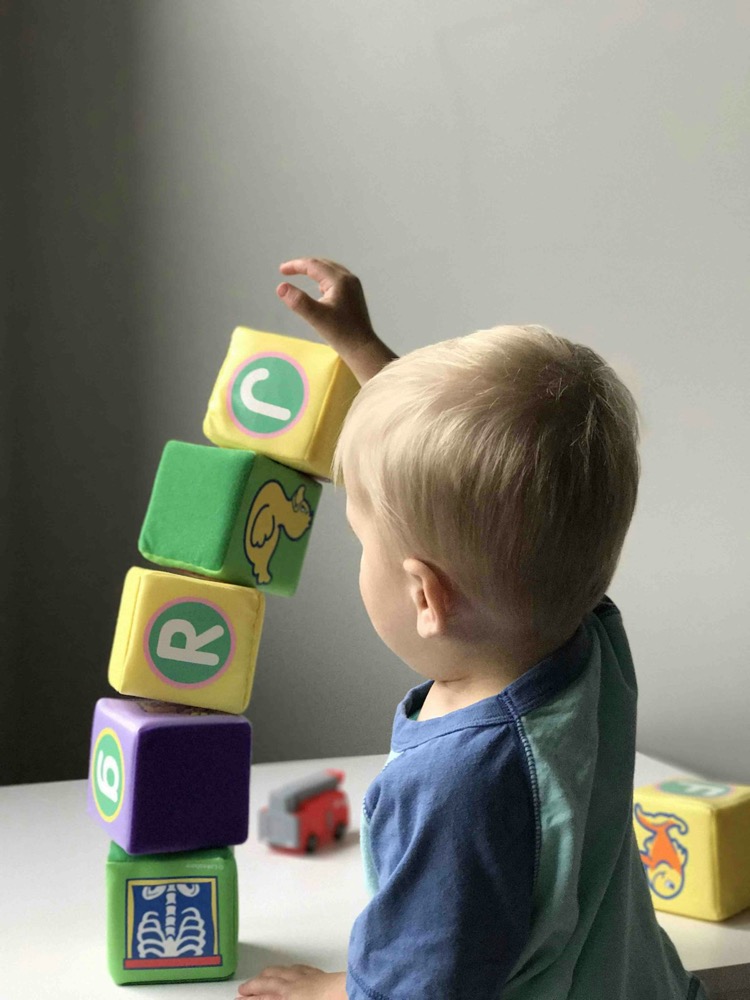
This is also why expressive arts therapy is so effective with children, who often don't yet have the vocabulary or abstract reasoning to describe complex emotional experiences, but can absolutely show you what's going on inside them through play and creation.
What a session might actually look like
There's no single format — the modality is chosen based on what fits the client and the moment. In practice, expressive arts therapy at New Path Counseling might include:
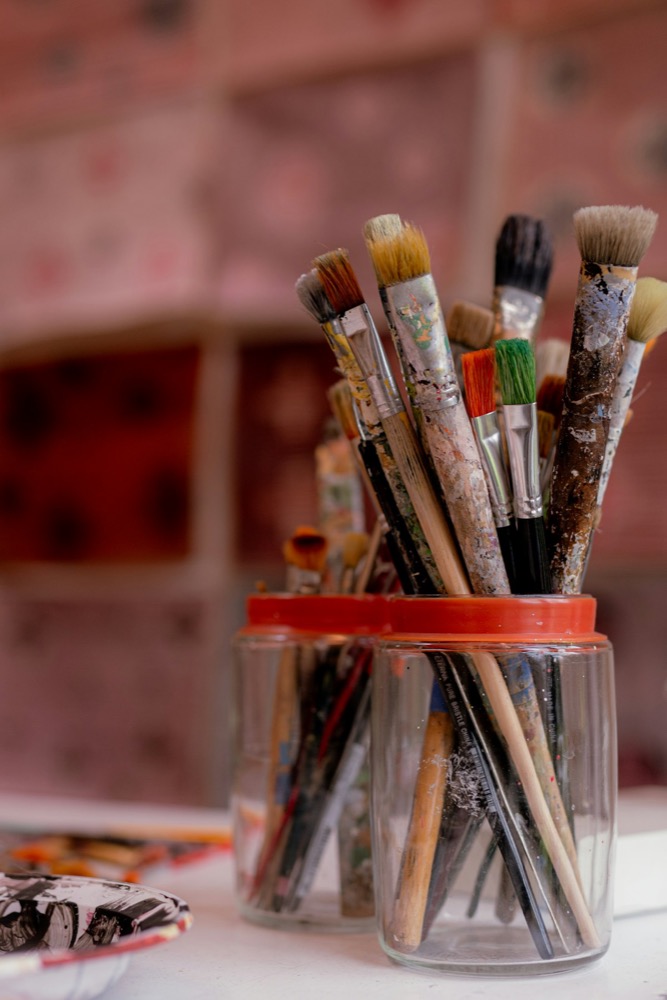
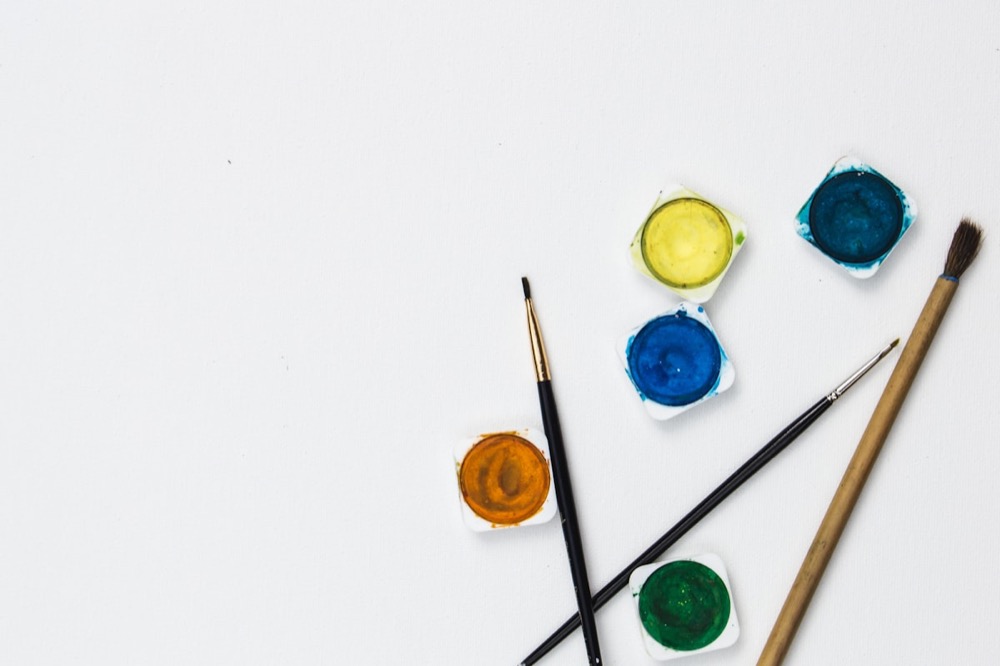
- Directed or open-ended art-making — drawing, painting, or collage used to explore a feeling, memory, or relationship
- Sand tray work — building a scene with miniatures that represents an inner world, conflict, or memory
- Movement and body-based exercises — noticing and releasing where emotion or tension lives in the body
- Music or sound — using rhythm or listening as a grounding or expressive tool
- Guided imagery and visualization — paired with reflection and processing
Whatever the medium, the conversation that happens around the creating — what you noticed, what surprised you, what it reminded you of — is where a lot of the therapeutic work actually happens.
Who benefits from expressive arts therapy
Expressive arts approaches are useful across the lifespan, but they tend to be especially valuable for clients who:
- Feel "stuck" or find that talk therapy alone hasn't fully resolved a pattern
- Are processing trauma, especially trauma from early childhood, before language fully developed
- Struggle to name or identify their emotions (a pattern sometimes called alexithymia)
- Are children or teens who communicate more naturally through play, art, or movement
- Want a therapy experience that feels less clinical and more embodied
We often combine expressive arts with EMDR and other trauma-focused work, since creative processing can prepare the nervous system for — or support integration after — deeper trauma reprocessing.
How it differs from traditional talk therapy
Traditional talk therapy relies primarily on verbal insight: understanding a pattern, naming a feeling, discussing a memory. Expressive arts therapy doesn't abandon insight — it just gets there by a different route, often a more direct and less defended one. Many clients find they can access and tolerate difficult material through a creative medium that would feel too intense to discuss head-on right away. The art becomes a container that makes the material safer to approach.
It's also worth saying plainly: expressive arts therapy is not art class, and it's not about producing something "good." A three-minute scribble can be just as clinically meaningful as an hour-long painting. The value is entirely in the process and what it reveals, not the finished product.
Getting started at New Path Counseling
If you've felt like traditional talk therapy only gets you partway there, or you're supporting a child who struggles to explain what's going on inside, expressive arts therapy may be worth exploring. Learn more about our expressive arts therapy services, or reach out for a free consultation to talk about whether this approach fits what you're going through. We serve clients across Springtown, Weatherford, Azle, and the greater Fort Worth area, both in person and virtually.
Frequently Asked Questions
What is expressive arts therapy?
Expressive arts therapy is an approach to counseling that uses creative modalities such as art, sand tray, movement, music, and writing alongside talk therapy to help people process thoughts and feelings that are difficult to put into words.
Do I need artistic talent for expressive arts therapy to work?
No. Expressive arts therapy is not about skill or making something that looks a certain way. The value is in the process of creating and what it reveals, not the final product, so no artistic background or talent is required.
What issues can expressive arts therapy help with?
Expressive arts therapy can help with trauma, anxiety, depression, grief, life transitions, low self-esteem, and relationship or attachment concerns. It is often especially helpful for people who feel stuck or overwhelmed by traditional talk therapy alone.

Amber Lopez, MEd, LPC-S, RPT-S, CHST, BC-TMH
Amber is the founder of New Path Counseling and a Licensed Professional Counselor-Supervisor with over 10 years of experience in trauma-informed, attachment-focused therapy including EMDR. Read her full bio →