
Play Therapy 101: How It Helps Young Children Process Big Feelings
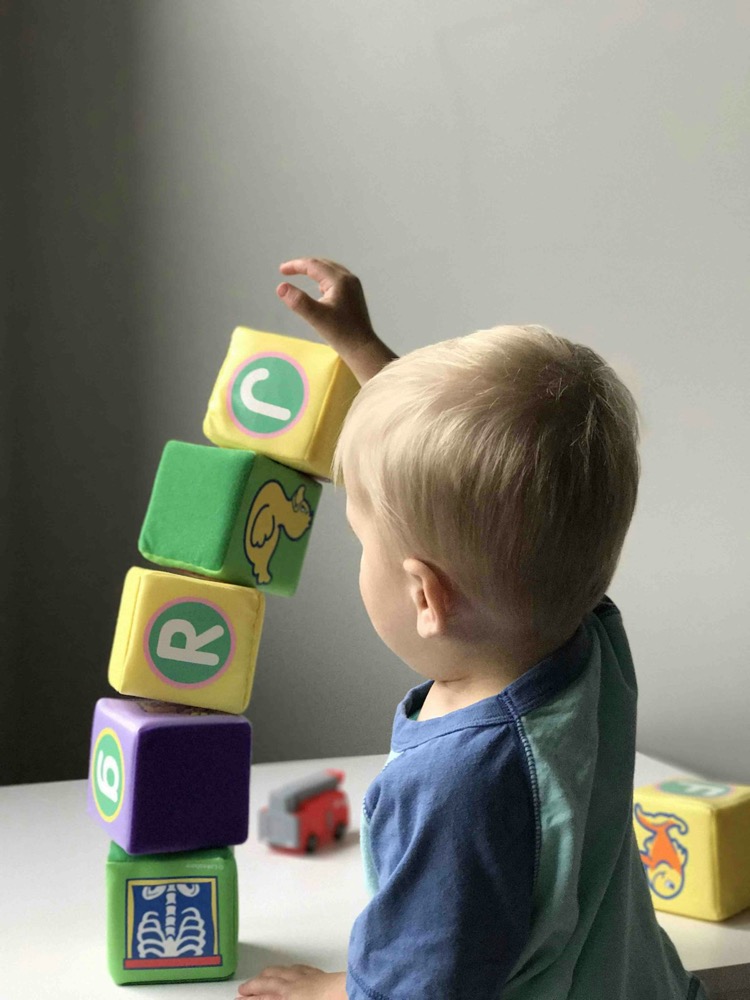
Ask a young child to explain why they're anxious, angry, or sad, and you'll often get a shrug — not because they don't have big feelings, but because they don't yet have the words for them. Play is a child's natural language, and play therapy meets kids exactly where they are developmentally, rather than asking them to talk like small adults.
What play therapy actually is
Play therapy is a structured, evidence-based therapeutic approach that uses toys, games, art, and imaginative play as the primary way a child communicates and works through emotions and experiences. It's not the same as free play at home — a trained play therapist uses specific techniques to help a child express feelings, process difficult experiences, and build coping skills, all through the medium children understand best.
Why play works when words don't
Children's brains, especially before adolescence, aren't yet fully wired for the kind of verbal, reflective processing that adult talk therapy relies on. But children naturally use play to make sense of their world — reenacting situations, working through fears symbolically, and expressing feelings through toys and stories that would be hard to say out loud. Play therapy gives that natural process a therapeutic container, with a trained clinician guiding it toward healing rather than letting it happen unguided.
What a play therapy session looks like
Sessions vary depending on the child's age, needs, and what's being worked on, but often include:
- Child-led play where the therapist follows the child's lead and reflects back what they observe
- Directive activities designed around specific goals, like building coping skills or processing a specific event
- Sand tray work, art, or storytelling to externalize feelings that are hard to name directly
- Games that build emotional vocabulary, self-regulation, and social skills
Parents are often involved too, through separate check-ins or joint sessions, so what's happening in therapy connects to what's happening at home.
What play therapy can help with
- Anxiety, fears, and worries
- Big life transitions — divorce, moving, a new sibling
- Grief and loss
- Behavioral concerns and emotional regulation
- Processing trauma or frightening experiences
- Building self-esteem and social skills
Is play therapy "real" therapy?
It's easy for parents to underestimate play therapy because it looks so different from what therapy looks like for adults. But it's a well-researched, developmentally appropriate approach — the play isn't a distraction from the therapeutic work, it is the therapeutic work. New Path Counseling offers strength-based, play-informed therapy for children ages 4 to 12 in Springtown, TX, both virtually and in person. Reach out for a free consultation — we're currently accepting new clients.
Frequently Asked Questions
What is play therapy?
Play therapy is a form of therapy that uses play, toys, and creative activities to help children express and process emotions and experiences they may not yet have the words to describe directly.
What age range is play therapy best for?
Play therapy is typically most effective for children roughly ages 3 to 12, though elements of it can also be adapted for older children and adolescents who benefit from expressive, non-verbal approaches.
Will the therapist just watch my child play?
No. A trained play therapist actively engages with the child's play, using specific techniques to help them work through emotions, build coping skills, and process difficult experiences in a structured, therapeutic way.

Amber Lopez, MEd, LPC-S, RPT-S, CHST, BC-TMH
Amber is the founder of New Path Counseling and a Licensed Professional Counselor-Supervisor with over 10 years of experience in trauma-informed, attachment-focused therapy including EMDR. Read her full bio →