
Art Therapy for Adults: You Don't Have to Be "Good at Art"
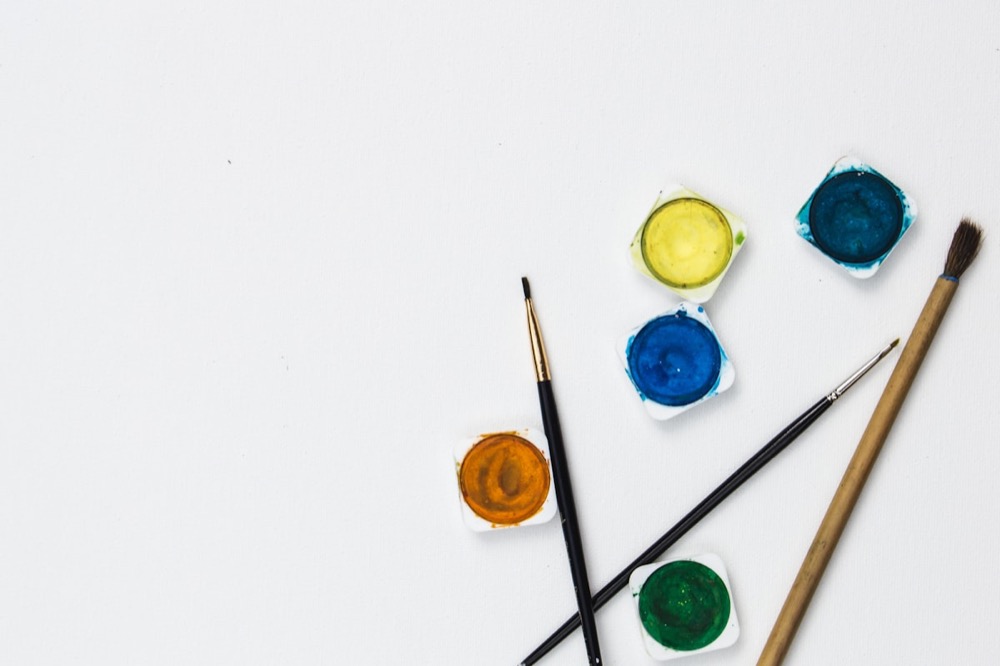
"I'm not creative" is one of the most common things I hear when I bring up art therapy with an adult client. It's almost always followed by some version of "I haven't drawn anything since third grade." I understand the hesitation — but I also want to clear something up right away: art therapy was never about talent, and it was never about making something you'd hang on a wall.
It's about giving your hands and your body a way to say something your mind hasn't found words for yet. For a lot of adults, that turns out to be exactly what they needed.
Art therapy isn't art class
A lot of resistance to art therapy comes from associating it with school art class — where the goal was to produce something that looked "right" and got graded. Clinical art therapy has nothing to do with that. There's no grading, no critique, and often no expectation of a finished, polished piece at all. A page covered in scribbles or a single color pressed hard into paper can carry as much clinical meaning as a detailed drawing.
What matters is the process: what you chose to create, how you approached it, what came up while you were making it, and what you notice when you step back and look at it. The art is a doorway into that conversation, not a performance.
Why adults specifically benefit from creative processing
Adults often come to therapy having spent years — sometimes decades — analyzing, explaining, and intellectualizing their own struggles. That insight is valuable, but it can also become a way of staying one step removed from the actual feeling underneath. Creative expression tends to bypass that defense. It's harder to over-explain your way around a piece of art than around a sentence.
This is especially true for adults working through:
- Trauma that happened before they had language to describe it, or that they've never been able to fully articulate
- Chronic stress or burnout that shows up more in the body than in clear thoughts
- Grief that feels too big, or too complicated, for words
- Longstanding patterns of self-criticism or low self-esteem
- A general sense of feeling "numb" or disconnected from their own emotions
What an art therapy session with an adult looks like
Sessions are tailored to the client and what they're working on. Sometimes there's a specific prompt — "create something that represents how this week has felt" — and sometimes the time is left open-ended. Materials might include drawing, painting, collage, or simple craft materials; nothing requires prior skill or special supplies.
After creating, we talk. Not about whether it "looks good," but about the experience of making it — what colors or shapes you were drawn to, what you avoided, what surprised you, what it reminds you of. That conversation is where the creative work connects back to your actual life and the reason you came to therapy in the first place.
Art therapy alongside other approaches
For many adults, art therapy works best woven into a broader plan rather than as a standalone treatment. At New Path Counseling, we often pair expressive arts with EMDR for trauma processing, or use it to support clients navigating major life transitions and grief. It can also simply be a lower-pressure entry point for adults who feel intimidated by the idea of "just talking" in a therapist's office.
You don't need to be ready to explain yourself
If part of what's kept you from starting therapy is not knowing how to put your struggle into words, that's not a barrier here — it's often exactly where expressive arts therapy is most useful. You don't need a tidy explanation before you walk in the door.
Learn more about our expressive arts therapy services for adults, or reach out for a free consultation to see if this approach might be a good fit. We offer sessions both virtually and in person in Springtown, TX.
Frequently Asked Questions
Do I need to be artistic to benefit from art therapy?
No. Art therapy does not require any artistic skill or experience. The therapeutic value comes from the process of creating and what it reveals, not from producing a technically skilled or polished piece of art.
What can adult art therapy help with?
Art therapy for adults can help with trauma processing, anxiety, depression, grief, stress management, low self-esteem, and situations where verbal insight alone hasn't fully resolved a pattern or feeling.
What happens during an adult art therapy session?
A session might involve a specific creative prompt related to a current struggle, or open-ended time to create freely, followed by a conversation with the therapist about what came up during the process, what was noticed, and how it connects to the client's life.

Amber Lopez, MEd, LPC-S, RPT-S, CHST, BC-TMH
Amber is the founder of New Path Counseling and a Licensed Professional Counselor-Supervisor with over 10 years of experience in trauma-informed, attachment-focused therapy including EMDR. Read her full bio →