
Performance Anxiety in Athletes: When Pressure Becomes Paralyzing
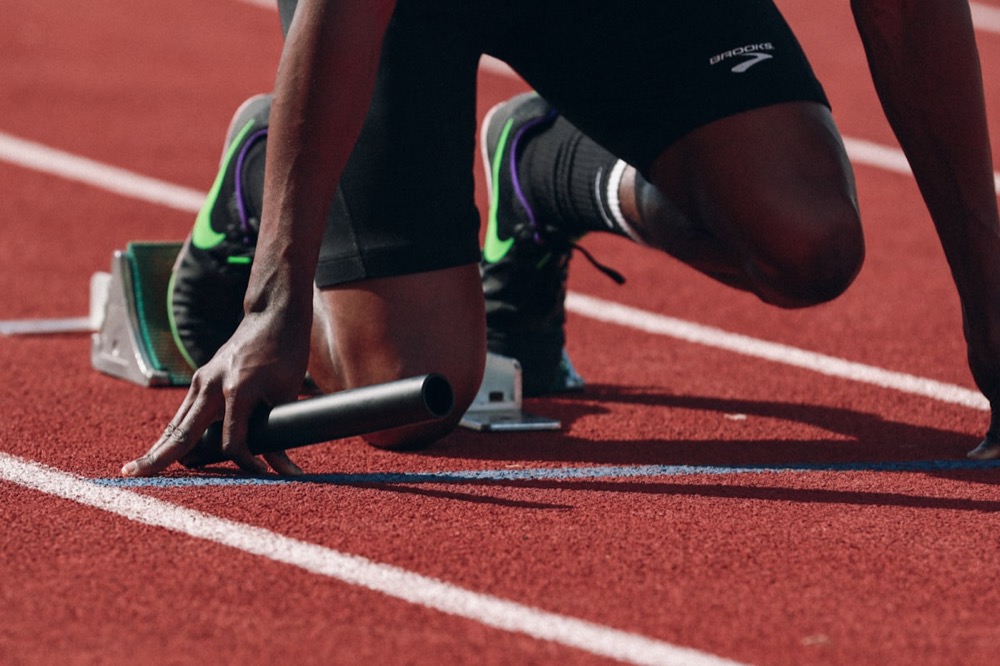
Athletes come to therapy describing the same maddening experience in different words: "I can do this skill in practice a hundred times without thinking about it. Then the moment matters, and my body just stops cooperating." Shaky hands, a racing heart, tunnel vision, a mind gone blank — the exact tools that make an athlete great in training can seem to abandon them at the worst possible moment.
This isn't a character flaw or a lack of "mental toughness." It's a physiological response, and it's treatable. Here's what's actually happening in performance anxiety, and how athletes can work with their nervous system instead of fighting it.
What's actually happening in the body
Under high-stakes pressure, the brain's threat-detection system can misread competition as danger, triggering the same fight-or-flight response that would activate if you were facing a physical threat. Adrenaline floods the system, heart rate spikes, breathing becomes shallow, and blood flow shifts away from fine motor control toward large muscle groups meant for fighting or fleeing. That's precisely why athletes describe feeling shaky, foggy, or suddenly clumsy at exactly the moments that matter most — their body is preparing for a threat, not a free throw or a floor routine.
Understanding this matters because it reframes the problem. You're not weak or unprepared; your nervous system is doing something it's built to do, just in a context where it isn't actually helpful.
What feeds performance anxiety
- Fear of failure — especially when self-worth has become tied to results rather than effort or growth
- Fear of judgment — from coaches, parents, teammates, or a broader audience
- Perfectionism — an all-or-nothing standard where anything short of flawless feels like failure
- Past experiences of "choking" — which the brain can start to anticipate and even unconsciously brace for in future high-pressure moments
- Identity fusion with performance — when "I am an athlete who wins" becomes "I am only worth something if I win"
Normal nerves vs. performance anxiety that needs support
Some nervous energy before competition is not only normal, it can sharpen focus and improve performance. Performance anxiety becomes a concern when it consistently interferes with an athlete's ability to execute skills they've clearly practiced and mastered, when physical symptoms are significant and disruptive, or when anxiety starts leading to avoidance — skipping tryouts, dreading practice, or wanting to quit a sport they otherwise love.
What actually helps
Sports psychology and clinical anxiety treatment overlap more than people expect. Approaches that tend to help athletes include:
- Nervous system regulation tools — breathing techniques and grounding strategies that can be used in the moments right before performance
- Reframing the physical sensations — learning to interpret a racing heart as readiness rather than danger
- Addressing the underlying beliefs — working through perfectionism, fear of failure, or a self-worth that's become too tightly wound around results
- Processing past "choke" moments — sometimes with tools like EMDR, when a specific bad experience has left a lasting imprint on how an athlete approaches pressure
- Building a pre-performance routine — a consistent, practiced sequence that signals safety and focus to the nervous system
Working with athletes at New Path Counseling
We work with athletes and performers of all ages navigating pressure that's started to interfere with the sport or activity they care about. The goal isn't to eliminate all nerves — a completely nerve-free athlete usually isn't performing at their best either — it's to help you stop fighting your own body and start working with it, so pressure becomes something you can move through rather than something that stops you.
If performance anxiety has started to take the joy out of something you used to love, or is holding you back from performing the way you know you're capable of, reach out for a free consultation. Learn more about our approach to performance and life transitions support at New Path Counseling.
Frequently Asked Questions
What causes performance anxiety in athletes?
Performance anxiety in athletes is typically caused by the nervous system perceiving high-stakes competition as a threat, triggering a fight-or-flight response. Fear of failure, fear of judgment, perfectionism, and past experiences of choking under pressure can all intensify this response.
How is performance anxiety different from normal pre-competition nerves?
Some nervousness before competition is normal and can even improve performance. Performance anxiety becomes a problem when it consistently interferes with an athlete's ability to execute skills they've practiced, causes significant physical symptoms, or leads to avoidance of competition altogether.
Can therapy actually help with performance anxiety?
Yes. Therapy can help athletes understand their body's stress response, build practical regulation and focus tools, address underlying fears such as perfectionism or fear of failure, and, when relevant, process past experiences that have shaped their relationship to pressure and performance.

Amber Lopez, MEd, LPC-S, RPT-S, CHST, BC-TMH
Amber is the founder of New Path Counseling and a Licensed Professional Counselor-Supervisor with over 10 years of experience in trauma-informed, attachment-focused therapy including EMDR. Read her full bio →